

Postcards continue to be among the most versatile and inexpensive tools available to market yourself, your organization, and even your business. In spite of the growing dominance of online marketing, well-designed postcards can still grab people’s attention and make a long-lasting impression.
Whether it is about introducing your products and services, promoting events, or creating better relationships with your customers, proper design of postcards can help you increase the effectiveness of your campaigns dramatically. As compared to bulky and often ignored brochures and emails, postcards offer a quick and efficient way of delivering your message. Everything, from colors and pictures to font and text on postcards, affects their success in influencing recipients.
This guide explores the key principles for designing impactful postcards, helping you maximize engagement, improve response rates, and leave a memorable impression on your audience.
1. Choose the Right Purpose Before You Design
Before selecting colors, images, or layouts, clearly define the purpose of your postcard. Whether you want to advertise a product, promote an event, share a special offer, or thank loyal customers, having a focused objective guides every design decision.
Investing in high-quality custom postcards ensures your message is presented professionally while giving you complete flexibility to match your branding and marketing goals. A clear purpose also helps determine the most appropriate call to action, making it easier for recipients to understand what you want them to do next.
Likewise, understanding your target audience is equally important. A postcard designed for young professionals will look very different from one intended for families or retirees. Consider your audience’s interests, preferences, and expectations so every design element supports your overall objective and resonates with the people receiving your message.
2. Focus on Eye-Catching Visual Design
One of the first things people will recognize about postcards is whether the visual elements look good. Postcards are small, so all of the visual elements that go into making a postcard are intended to grab attention while delivering the main point. Good images, layout, and color scheme come together to give you an engaging way of attracting more interest in the content.
Aesthetics that match your overall branding can be very useful. You want recognizable logos, consistent use of brand colors and font styles, and clean layouts to help make it easy for people to absorb information quickly without being overwhelmed by too much information. Proper use of white space helps people focus on key elements of the postcard.

3. Write Clear and Compelling Copy
Strong copy is just as important as great visuals. Every sentence should communicate value while remaining concise and easy to understand. Since postcards offer limited space, avoid unnecessary details and focus on delivering your core message in a straightforward manner.
That said, headlines should immediately capture interest and encourage recipients to continue reading. Supporting text should explain the offer or message clearly while highlighting the benefits rather than simply listing features.
End your content with a clear call to action that tells readers exactly what they should do next, whether that means visiting your website, calling your business, or redeeming a special offer.
4. Use Readable Fonts and Typography
Font choice is an extremely important component when you want your postcard to be readable. While decorative fonts make your design more appealing, they decrease its readability. Simple and professional fonts will ensure that your message is comprehensible to everybody.
The proper hierarchy of headings, subheadings, and text is very important when people read through your postcard. All fonts should be big enough to be legible, especially the fonts used for your contact information and any promotion you provide on the postcard.
5. Keep the Layout Clean and Organized
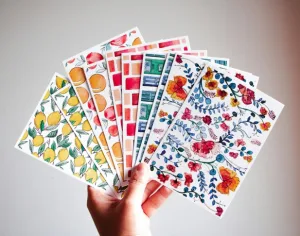
Organizing the layout will increase clarity and improve the visual appeal of your postcard. Too many graphics, text, or decorations on the postcard will only serve to distract people from the actual content you want to communicate. Less is generally more when it comes to conveying your ideas.
Ensure that the information is structured logically so that one flows into another, from headline to supporting information, all the way to your call to action. Proper alignment and spacing make for a professional-looking postcard, with readable text. Each element must have a purpose in the layout.
6. Add a Strong Call to Action
A postcard should inspire readers to perform certain actions after going through it. If there is no compelling call to action in the card, then the best-designed one will fail to yield good results. Tell the reader what needs to be done next in a way that inspires action.
It could be visiting the website, making an appointment, claiming a discount, or contacting the business. Adding urgency elements such as deadlines to the postcard can also help generate quick results.
7. Proofread Before Printing
Proofreading is considered one of the most crucial stages of postcard creation. A single error in the form of poor grammar, a spelling mistake, or wrong contact details could affect the professionalism of your postcard. By proofreading your postcard, you can ensure there are no mistakes left for you to regret in the future.
In addition, another set of eyes would be beneficial. Someone else could point out some flaws in your postcard that you had not noticed earlier. Make sure that every little thing, from phone numbers to web addresses, dates, prices, and promotions, is correct.
Final Thoughts
Creating effective postcards takes more than creating visually pleasing designs. An effective postcard starts with an objective, good planning, appealing design elements, and appropriate messaging.
When all these design aspects are combined in the right way, postcards become a very effective means of communication that has the power to increase brand awareness and build customer relationships. Taking care of typography, color selection, image quality, organization, and proofreading results in professionally designed marketing pieces that will create strong impressions on recipients.
Most importantly, every postcard should guide recipients toward a clear action that supports your overall marketing goals.